How to become a Midwifery Unit Manager in Australia
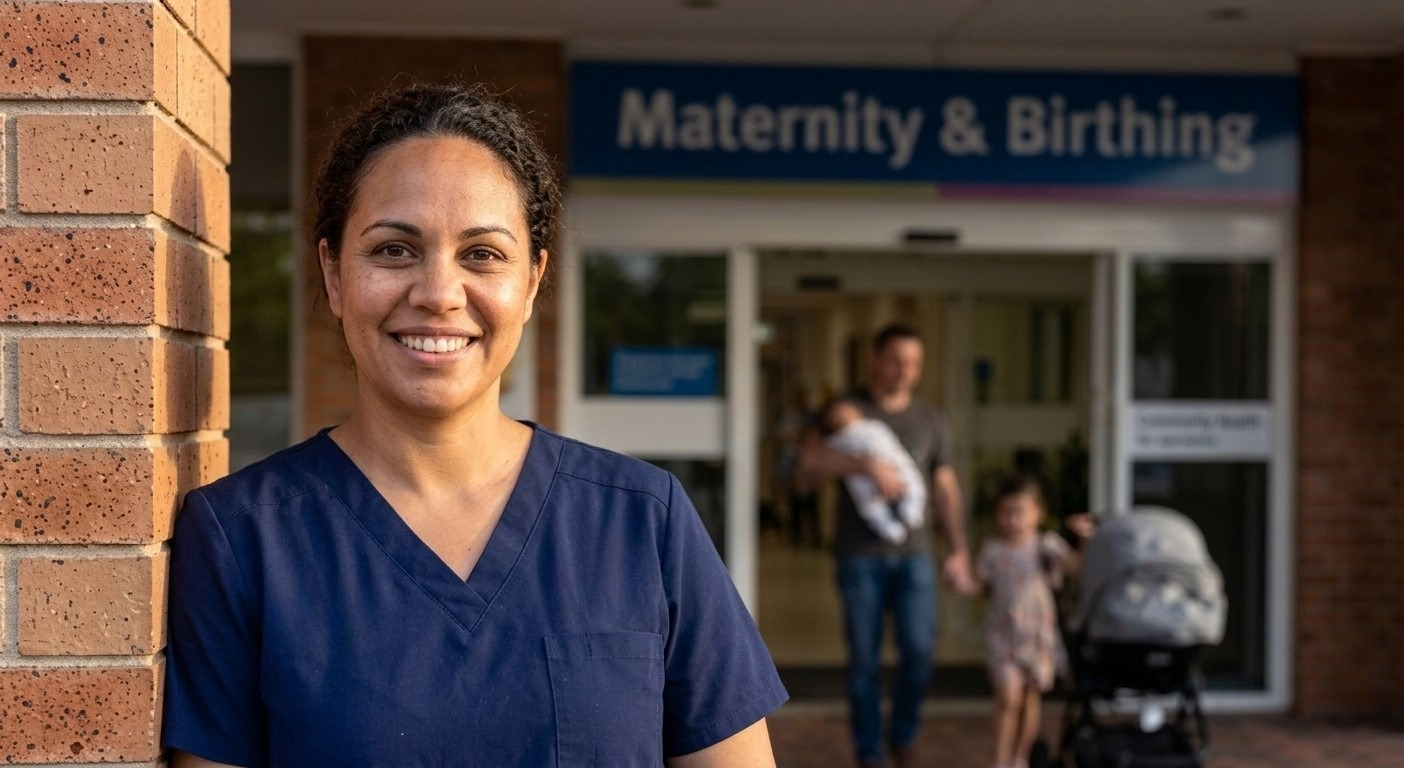
Most midwives don't plan the moment. It just finds them.
A shift stretched too thin. A team running on empty. A decision that needed someone who understood not just the care, but everything shaping the conditions around it. You start noticing things you can't stop noticing. Not just the woman in front of you, but the roster that left her midwife exhausted. The policy that slowed the response. The culture that made speaking up feel harder than it should.
You stop seeing moments of care in isolation. You start seeing everything that shapes them.
That's often where a Midwifery Unit Manager begins.
Not in a job ad. Not in a postgrad brochure. In a shift where you realised the system itself needed someone to think bigger. A Midwifery Unit Manager sits at the intersection of people and policy, clinical expertise and organisational change, the values that brought you into midwifery and the accountability of leading an entire service.
If that resonates, keep reading. This guide covers what the role actually demands, the pathway most experienced midwives take to get there, and how postgraduate study can help you build the capability that senior positions increasingly look for.
A Midwifery Unit Manager (MUM) combines clinical leadership with operational management, workforce planning and quality improvement across maternity services.
Current registration as a midwife with the Nursing and Midwifery Board of Australia (NMBA) is required to practise as a midwife. MUM roles are generally built on that foundation plus substantial clinical experience.
There's no single mandatory qualification for becoming a MUM. Progression typically comes through experience, leadership exposure and, increasingly, postgraduate study.
Salaries and classifications vary by state, health service and enterprise agreement. Queensland, New South Wales and Victoria each use different public health classifications and agreements, so pay differs across state borders. In Queensland Health, Nurse/Midwife Unit Managers sit at Nurse Grade 7, with salaries of approximately $148,474 to $161,198 from April 2026. For other states, check the relevant health employer and enterprise agreement directly.
Postgraduate study, such as the UTS Online Master of Women's and Children's Health, can help experienced midwives build leadership, research and service-management capability. It doesn't grant midwifery registration and isn't a shortcut to the role.
What is a Midwifery Unit Manager?
A Midwifery Unit Manager is an experienced registered midwife who leads the operational, clinical and professional delivery of maternity or midwifery services. The role brings together people leadership, clinical governance, workforce management and service improvement all in service of safe, evidence-informed, woman-centred care.
That holds true whether you're in Queensland, New South Wales, Victoria or anywhere else. The classification titles shift between states. The position description language differs. But the core of the role stays consistent: team leadership, quality improvement, workforce development and care that keeps women at the centre.
This isn't a step away from clinical work. It's clinical expertise applied at the scale of a whole service.
What does a Midwifery Unit Manager do?
Day to day, the role spans a wide mix of leadership and operational responsibilities:
- Lead and support midwifery teams
- Oversee day-to-day service delivery across the unit
- Support safe, evidence-informed and woman-centred care
- Manage workforce planning, rostering and resourcing
- Lead clinical governance and quality improvement activity
- Mentor and develop midwives within the team
- Work across multidisciplinary teams, including obstetrics, nursing and allied health
- Implement policy, procedure and service improvements
- Review service performance, data and outcomes
- Support culturally safe and equitable maternity care
The shift from clinician to manager runs deep. As a senior midwife, your focus is the person in front of you. As a Midwifery Unit Manager, you're accountable for everything that makes that moment of care possible, the team, the systems, the culture and the conditions. It's a different kind of responsibility. It asks something different of you.

Do you need to be a registered midwife to become a Midwifery Unit Manager?
Yes. Midwives practising in Australia must meet the registration standards set by the NMBA, and Midwifery Unit Manager roles generally require current registration as a registered midwife.
It's worth being clear here, because this is where course marketing can mislead: the UTS Online Master of Women's and Children's Health and Graduate Certificate in Women's and Children's Health are postgraduate courses designed for midwives, nurses and other eligible health professionals to deepen capability in women's and children's health. They are not NMBA approved entry-to-practice qualifications and don't grant initial registration as a midwife. If you're not yet registered, that pathway comes first, through an NMBA-accredited program.
How do you become a Midwifery Unit Manager?
There's no single, standardised route. What follows is a common pathway drawn from how these positions are structured and advertised across Australian health services.
Step one: Become a registered midwife
This is where every path begins. Registration requirements, including approved qualifications and ongoing professional standards, are set by the NMBA. If you're at this stage, the NMBA website is the authoritative source.
Step two: Build substantial clinical midwifery experience
No leadership role comes without the years behind it. The depth that makes a Midwifery Unit Manager credible comes from shifts that tested you, decisions made under real pressure and a lived understanding of how maternity care actually works. There's no fixed number of years required across Australian health services. But MUM roles are consistently filled by midwives with substantial, demonstrated clinical nursing experience not just time served, but knowledge you can only build by being present, again and again, when it matters.
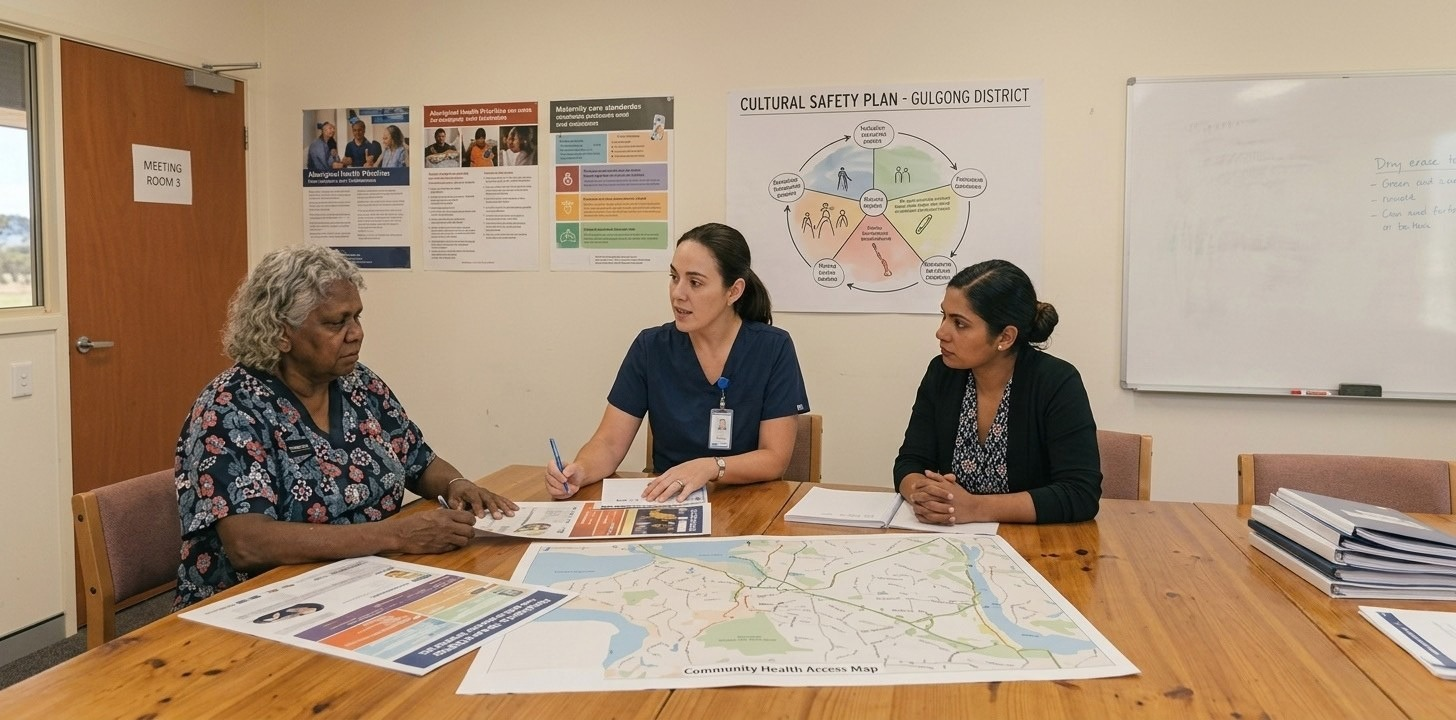
Step three: Take on greater responsibility
Before the title changes, the responsibilities usually do. Look for opportunities to step into:
- Acting team leader or shift coordination duties
- Quality and safety projects
- Mentoring junior midwives or students
- Education and in-service training
- Service improvement initiatives
- Workforce planning input
- Committee or governance participation
Each of these builds the track record that makes a formal leadership application credible.
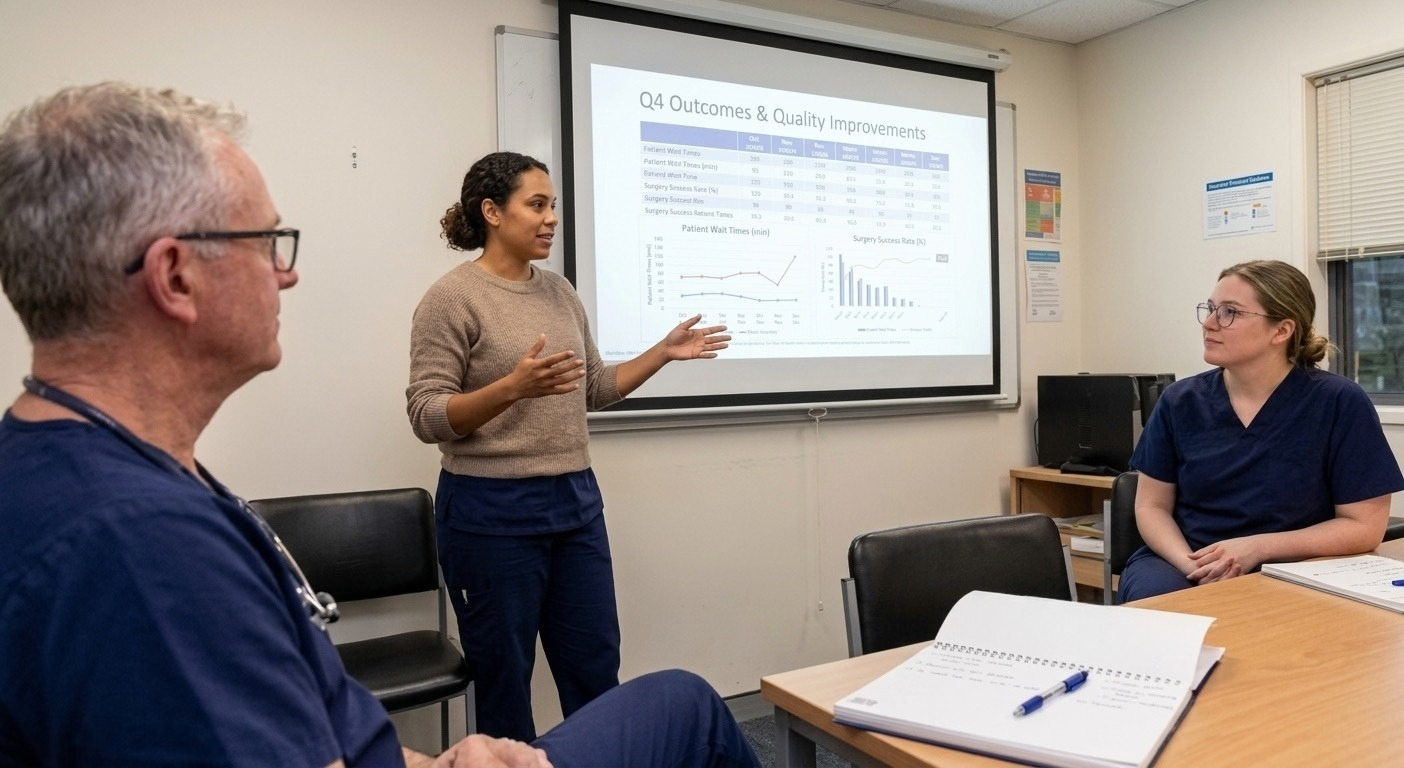
Step four: Build management and leadership capability
This is where the role really pulls away from clinical practice. Midwifery Unit Managers need capability across:
- People leadership, including performance, development and team culture
- Clinical governance, embedding safety and accountability into everyday practice
- Strategic decision-making at a service level, not just a shift level
- Workforce management, from rostering to capability planning
- Quality and safety, using data and evidence to drive real improvement
- Change leadership, guiding teams through new models of care or process shifts
- Evidence-informed practice, translating research into service decisions
- Communication and collaboration across midwifery, obstetrics, allied health and executive stakeholders
- Resource management, balancing budgets against clinical need
- Cultural safety, particularly in delivering equitable care for Aboriginal and Torres Strait Islander communities and diverse populations
- Policy and service improvement, shaping how care is delivered, not just delivering it
Scan MUM position descriptions from Queensland to New South Wales to Victoria and the same themes appear: safe, evidence-based care, strong partnerships, active quality improvement and a capable, well-led workforce. Governance, risk, resource management and performance development round out the picture almost everywhere you look.
Your clinical skills are the starting point. Your leadership capability is what gets you the role.
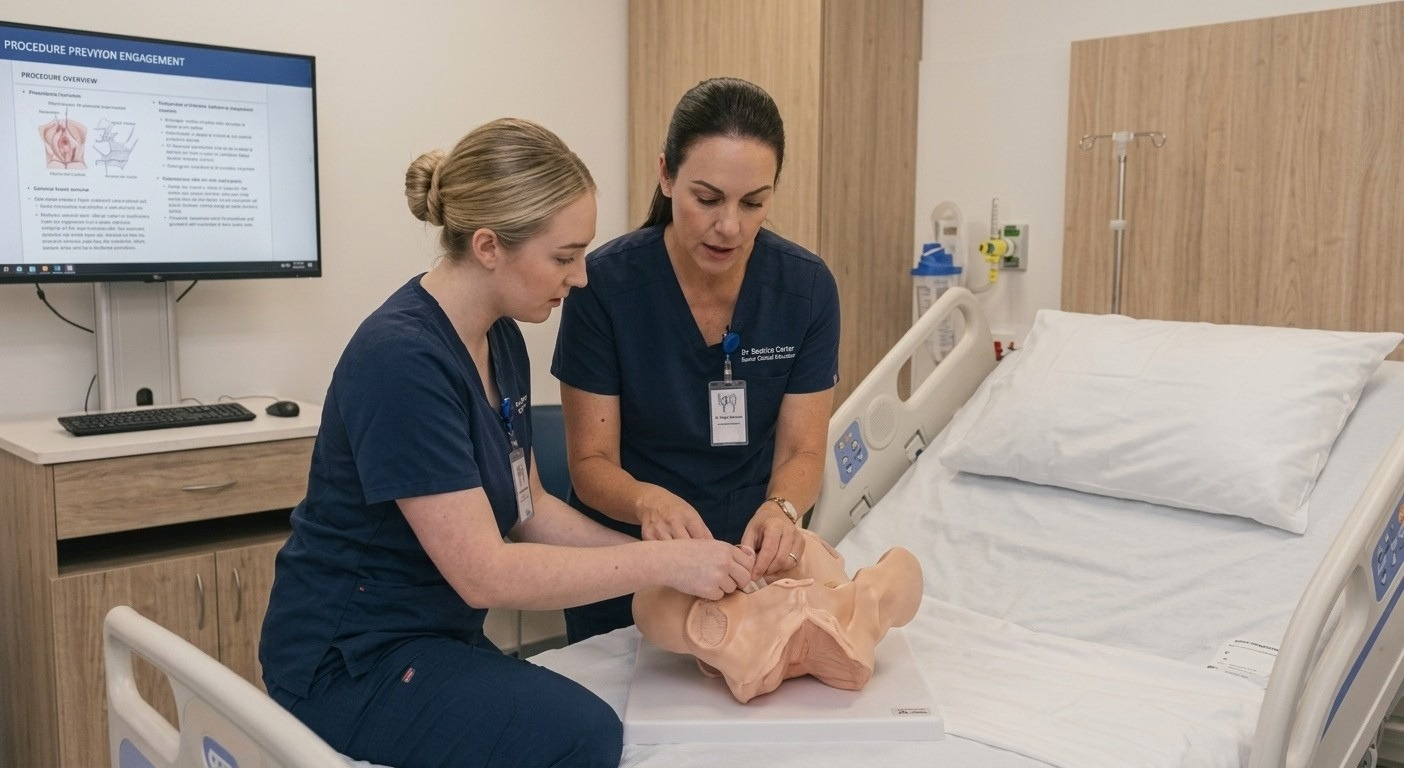
Step five: Consider postgraduate study
Postgraduate study won't hand you a Midwifery Unit Manager role. No qualification does that alone. But for experienced midwives ready to lead at a service level, it can sharpen the leadership, research, policy and service-management thinking that health services are increasingly looking for. Across Australia, MUM vacancies regularly point to postgraduate qualifications in midwifery, health administration or management as something that strengthens an application, especially when paired with genuine experience driving service improvement. The credential matters less than the capability it builds.

What skills does a Midwifery Unit Manager need?
Six areas come up consistently across role descriptions and everyday practice:
Clinical leadership. Holding a current, grounded understanding of midwifery practice while leading others through it not leaving clinical knowledge behind, but scaling it.
People and workforce leadership. Supporting teams, mentoring staff, managing performance and building the capability of the people around you.
Quality and safety. Using evidence, data and governance frameworks to find risk before it becomes harm, and to drive genuine improvement in maternity services.
Communication and collaboration. Working across midwifery, obstetrics, nursing, allied health, executives and community stakeholders often translating between all of them at once.
Change and service improvement. Leading initiatives that shift processes, models of care and outcomes, and bringing a team with you through that shift.
Woman-centred leadership. Keeping the needs, choices and experiences of women at the centre of every service decision even when that decision is about rosters, budgets or policy.
That last one is easy to underestimate. Anyone can manage a department. A Midwifery Unit Manager does something harder: they hold the line for woman-centred care when budgets tighten, rosters stretch and systems push back. That's not management. That's midwifery leadership.
What does a Midwifery Unit Manager earn in Australia?
Salary depends on your state, health service, classification and experience. No single figure applies nationally.
Queensland, New South Wales and Victoria each operate under different public health classification frameworks and enterprise agreements, which means pay can differ meaningfully across state borders. In Queensland Health, Nurse/Midwife Unit Managers are classified at Nurse Grade 7, with annual salaries of approximately $148,474 to $161,198 from April 2026, depending on pay point. That's a useful data point, but it reflects one state's classification system, not a national benchmark.
Be cautious with broad "midwife salary" statistics too. Jobs and Skills Australia reports median full-time earnings of $2,114 per week for the Midwives occupation overall, but that figure covers midwives across all career stages, not management roles. When you're benchmarking a MUM position, look at the specific classification and enterprise agreement for the state and health service you're targeting.
Is there demand for experienced midwives and midwifery leaders?
Around 19,400 midwives are currently employed in Australia, according to Jobs and Skills Australia. But the number only tells part of the story. From Queensland to New South Wales to Victoria and beyond, maternity services are complex, under pressure and in constant need of people who can lead them well. Midwifery Unit Manager vacancies appear regularly across Australian public health services, not as a trend, but as a reflection of something consistent: experienced midwives who can operate at a service level are always needed.
How can postgraduate study support progression into midwifery leadership?
At a certain point, clinical excellence alone isn't enough. Leading a maternity service means holding the whole picture: the people, the systems, the policies and the evidence that shape how care is delivered every day. Postgraduate study won't replace the experience you've built. But it can deepen how you think, sharpen how you lead and give you tools to drive change at a level that matters.
Master of Women's and Children's Health
For midwives moving towards broader leadership, the UTS Online Master of Women's and Children's Health brings together specialist women's health knowledge with capability across leadership, public health, research and evidence-informed practice. Subject areas include leading health and social care, women's health, sexual and reproductive health, public health, Indigenous public health and evidence and research. You can also tailor your studies through a Leadership and Management in Health Care major, built to strengthen your capability in managing people and processes and driving change in women's and children's health or choose another major or flexible pathway that suits your direction.
This master's degree is designed for midwives, nurses and other eligible health professionals to build advanced capability. It is not an NMBA-approved entry-to-practice midwifery qualification and doesn't grant registration.
Graduate Certificate in Women's and Children's Health
Not ready to commit to a full master's degree? The Graduate Certificate in Women's and Children's Health is a shorter way to build contemporary capability across women's and children's health. It covers contemporary women's health issues, the child in the contemporary world, global perspectives on sexual and reproductive health and rights, and legal and ethical issues in women's health. It also provides a pathway into the master's when you're ready to continue.
This master's degree is designed for midwives, nurses and other eligible health professionals to build advanced capability. It is not an NMBA-approved entry-to-practice midwifery qualification and doesn't grant registration.
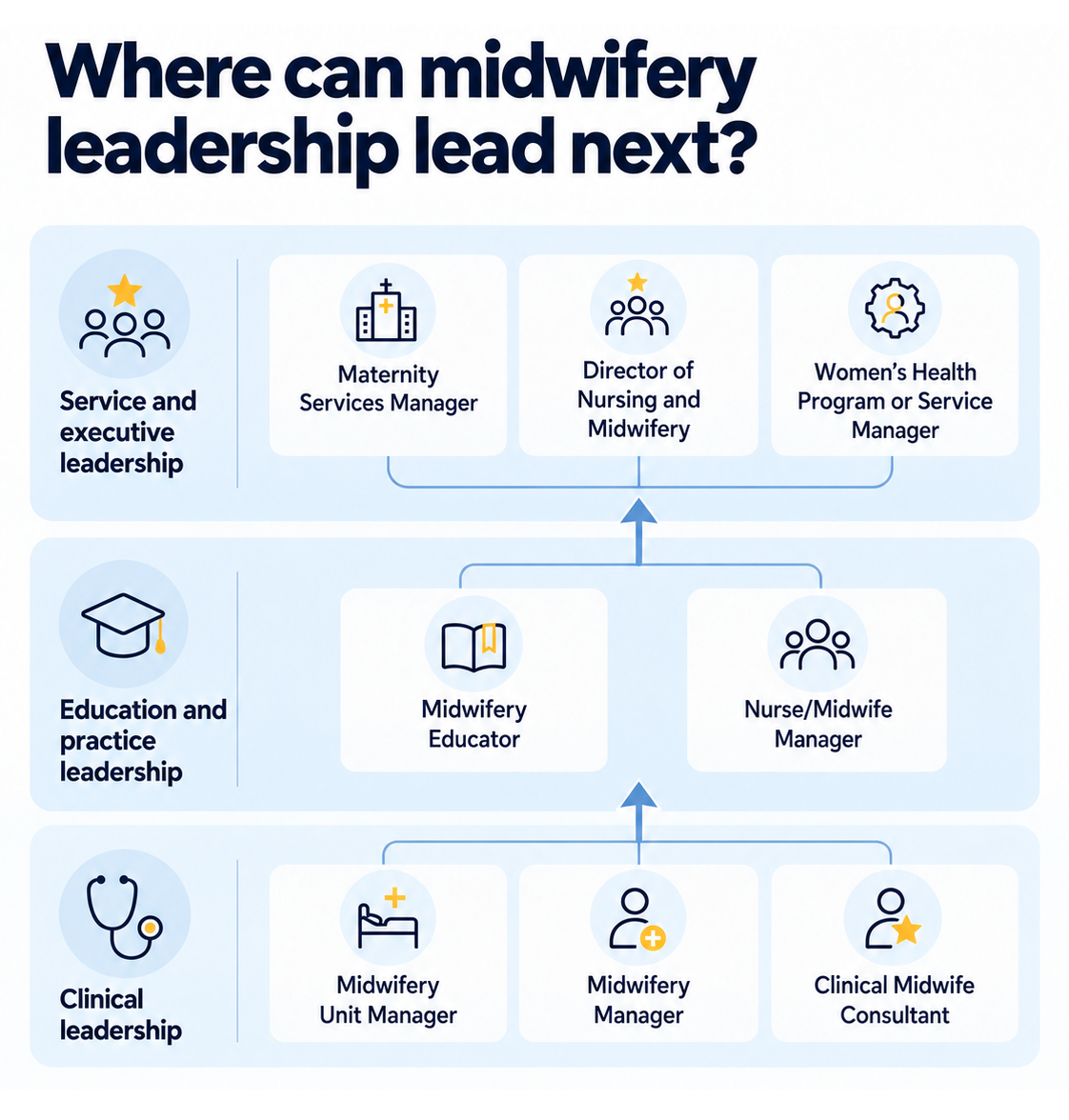
Where can midwifery leadership lead next?
Building leadership capability deliberately opens doors. For midwives who do that, those doors can lead to roles including:
- Midwifery Unit Manager
- Midwifery Manager
- Clinical Midwife Consultant
- Midwifery Educator
- Maternity Services Manager
- Nurse/Midwife Manager
- Director of Nursing and Midwifery
- Women's Health Program or Service Manager
These are directions to build toward as experience and capability grow — not outcomes any single course guarantees.
Lead change across women's health
The midwives who step into leadership don't become different people. They become more fully themselves.
They take everything the clinical years taught them and use it somewhere bigger: the team, the whole service, the standard of care that every woman walking through those doors deserves. They stop asking "what can I do for this patient right now" and start asking "what conditions do I need to build so every midwife on this floor can do that for every patient, every time."
That shift doesn't come from a single course or a single promotion. It builds through years of showing up, taking on more, and deciding, deliberately, that you want to lead.
If you're at that point, the UTS Online Master of Women's and Children's Health is designed for where you are right now: a health professional with real clinical depth who wants to lead with more confidence, more capability and more impact. It's flexible enough for working midwives and broad enough to build genuine capability across leadership, research and women's health practice.
Not ready for the full master's degree? Start with the Graduate Certificate in Women's and Children's Health. Build your capability one step at a time, see how study fits around your life and move into the master's when the time is right.
The next step in your midwifery leadership journey doesn't have to be your biggest. It just has to be the right one.
Frequently asked questions
A Midwifery Unit Manager is an experienced registered midwife who leads the operational, clinical and professional delivery of maternity or midwifery services, combining people leadership, governance and service improvement with a strong grounding in clinical practice.
The role involves leading midwifery teams, overseeing service delivery, managing workforce planning and rostering, driving clinical governance and quality improvement, mentoring staff and working across multidisciplinary teams to support safe, woman-centred care.
Yes. Current registration with the Nursing and Midwifery Board of Australia is required to practise as a midwife, and MUM roles are generally built on that registration plus substantial clinical experience.
No single qualification is mandatory. Progression typically comes through clinical experience and demonstrated leadership responsibility, though postgraduate study can help build relevant capability and may strengthen a candidate's application.
It varies by state, health service, classification and enterprise agreement. In Queensland Health, Nurse/Midwife Unit Managers sit at Nurse Grade 7, with salaries of approximately $148,474 to $161,198 from April 2026, depending on pay point. New South Wales and Victoria use separate public health classifications and enterprise agreements, so figures differ. For the most accurate benchmark, check the relevant state health employer directly.
Key skills include clinical leadership, people and workforce leadership, quality and safety management, communication and collaboration, change and service improvement, and woman-centred leadership.
Yes. Postgraduate study can help experienced midwives build leadership, research, policy and service-management capability relevant to senior roles, though it complements rather than replaces clinical experience.
No. The course is designed for midwives, nurses and other eligible health professionals to build advanced women's and children's health capability. It is not an NMBA-approved entry-to-practice midwifery degree and doesn't grant initial registration as a midwife.