How to become an urban planner in Australia: 7 steps to get started
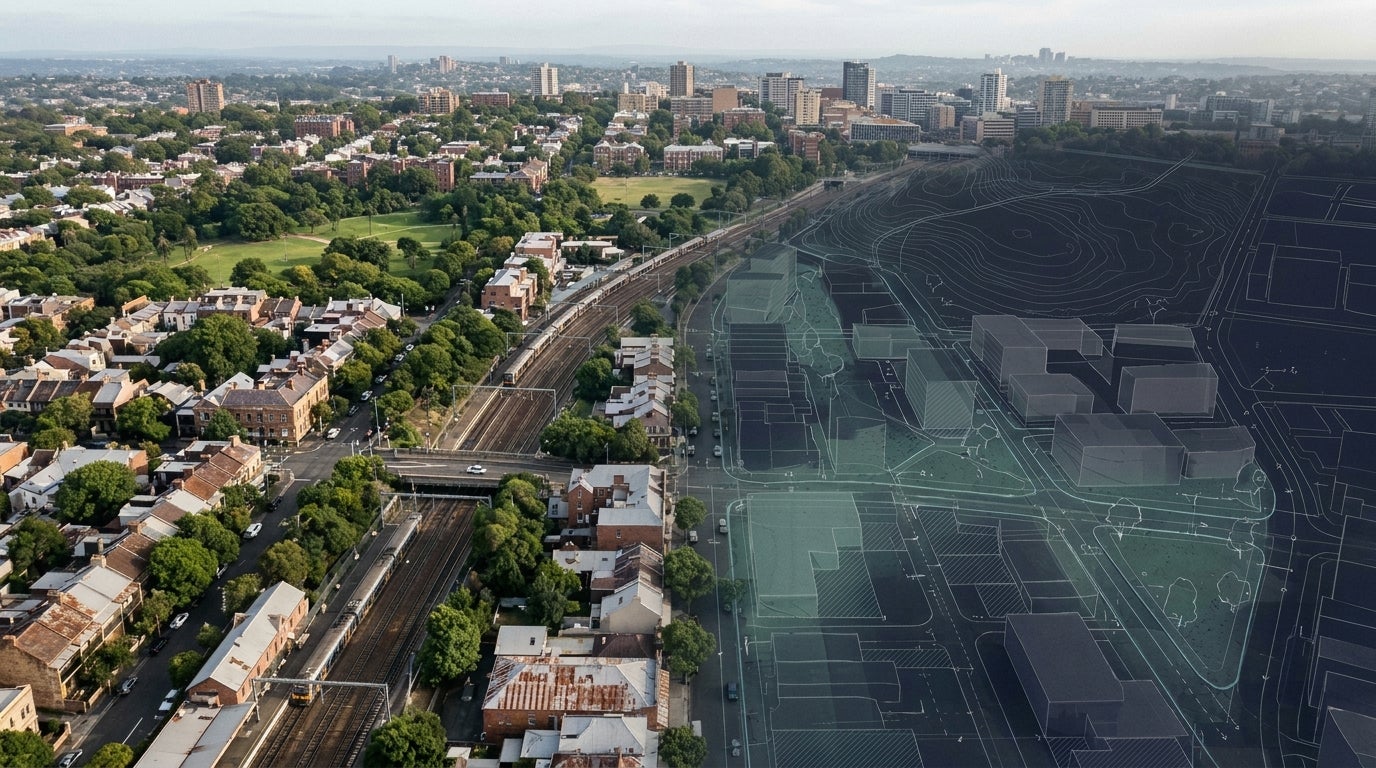
Australia's cities are changing fast. Sydney, Melbourne, Brisbane and Perth are reshaping their skylines, expanding transit networks and grappling with housing affordability, climate resilience and liveability challenges that require skilled, informed decision-making. Behind every new transit corridor, flood-resilient suburb or revitalised neighbourhood precinct, there's an urban planner.
If you're wondering how to become an urban planner in Australia, you're likely already closer than you think. Many people drawn to planning come from architecture, environmental science, government policy, geography or property, and already hold skills that translate directly into the profession. This guide breaks down what urban planners do, what qualifications matter in the Australian context, how Planning Institute of Australia (PIA) accreditation and membership work, and the step-by-step career path from where you are now to where you want to be.
What you need to know
Australia's population is forecast to reach between 28.3 and 29.3 million people by 2027. That growth puts enormous pressure on cities and regions to plan smarter, grow sustainably and build more equitably. Employment in urban and regional planning is projected to grow by 13.3% over five years, outpacing the national average. Urban planning is one of Australia's most consequential professions right now.
The path into urban planning typically looks like this:
- Completing a PIA-accredited qualification at undergraduate or postgraduate level
- Building practical skills in GIS, planning law, community engagement and sustainable development
- Gaining relevant work experience across local or state government, consultancies or related industries
- Pursuing PIA membership to access professional networks, credibility and career development
- Applying for planning roles that match your specialisation and experience
It's worth noting that there's no single national licensing requirement to work as a planner in Australia. PIA membership is not compulsory, but it's widely recognised and respected by Australian employers. For career changers with a related background, a postgraduate planning qualification is usually the most direct route into the profession.
Urban planning in Australia spans land-use policy, sustainability, community engagement and economic development. Professionals from many backgrounds can transition into the field.
PIA recommends completing a PIA-accredited planning course as the clearest pathway into the profession.
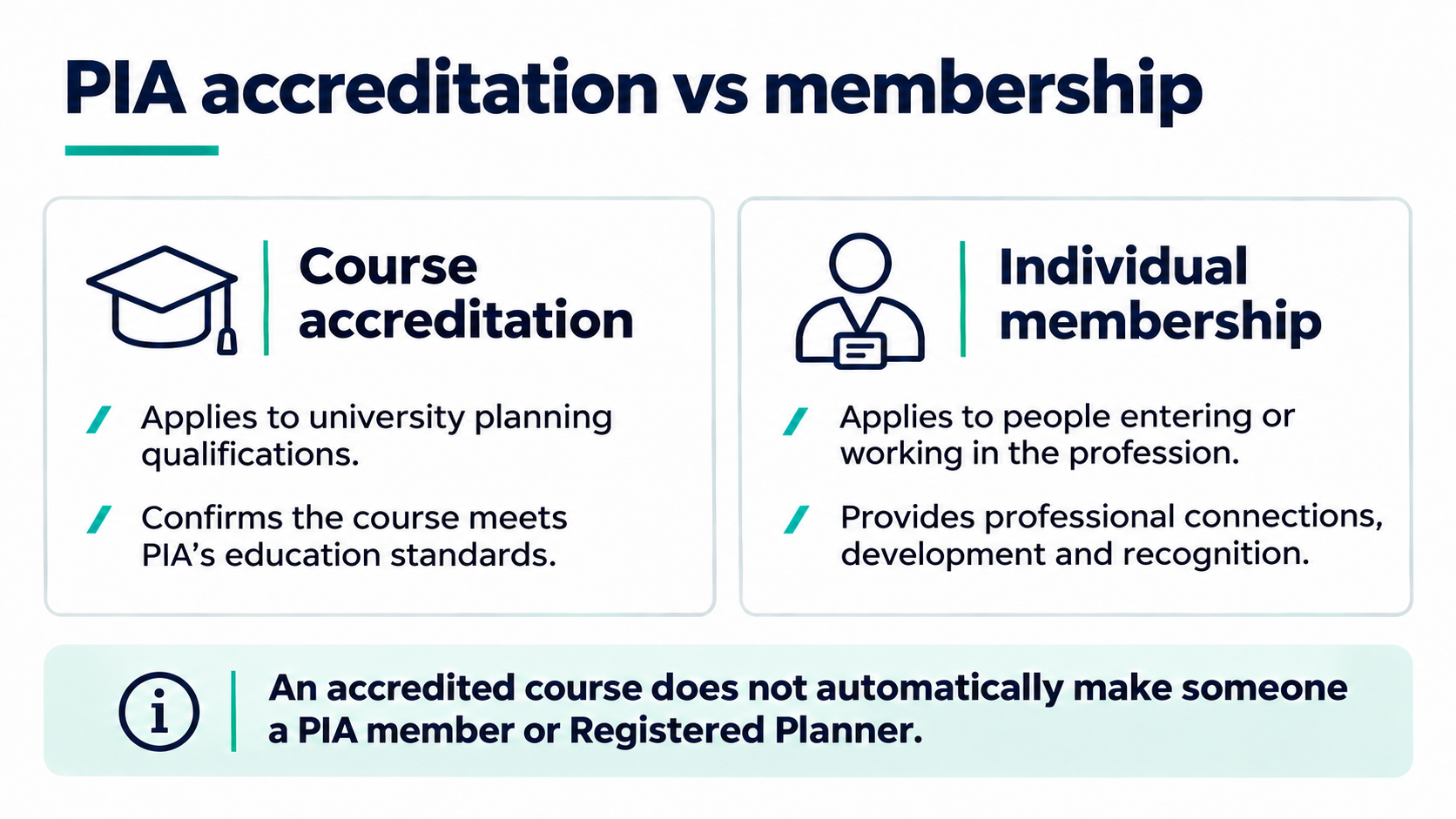
PIA course accreditation and PIA individual membership are two distinct things. Both matter, but differently.
There's no single national licensing requirement to work as an urban planner in Australia, though some states run separate recognition schemes.
A postgraduate qualification, such as a Master of Urban Planning, is a realistic pathway for career changers with a related undergraduate degree or relevant professional experience.
Employment in urban and regional planning is projected to grow by 13.3% over five years, higher than the national average.
What does an urban planner do in Australia?
Urban planners decide how land is used, how communities grow and how competing priorities, including housing, transport, environment, heritage and economic development, are balanced over time. According to PIA, planning is "how people, businesses and government protect, grow and shape cities, towns and regions," with planners weighing built and natural environments against community needs, cultural significance and economic sustainability (planning.org.au).
In practice, Australian urban planners:
- Assess development applications against local zoning rules and planning legislation
- Recommend rezoning near train stations to support higher-density housing
- Develop flood-risk planning controls for growth corridors
- Run community consultation sessions before councils adopt local strategic plans
- Write policy that balances heritage protection with infill development
PIA recognises a wide range of planning specialisations, including urban development, regional and rural planning, development assessment, social and community planning, urban design and place-making, environmental planning and natural resource management, transport planning, heritage and conservation, neighbourhood renewal, infrastructure planning and international development (planning.org.au).
Urban planning vs urban design: what's the difference?
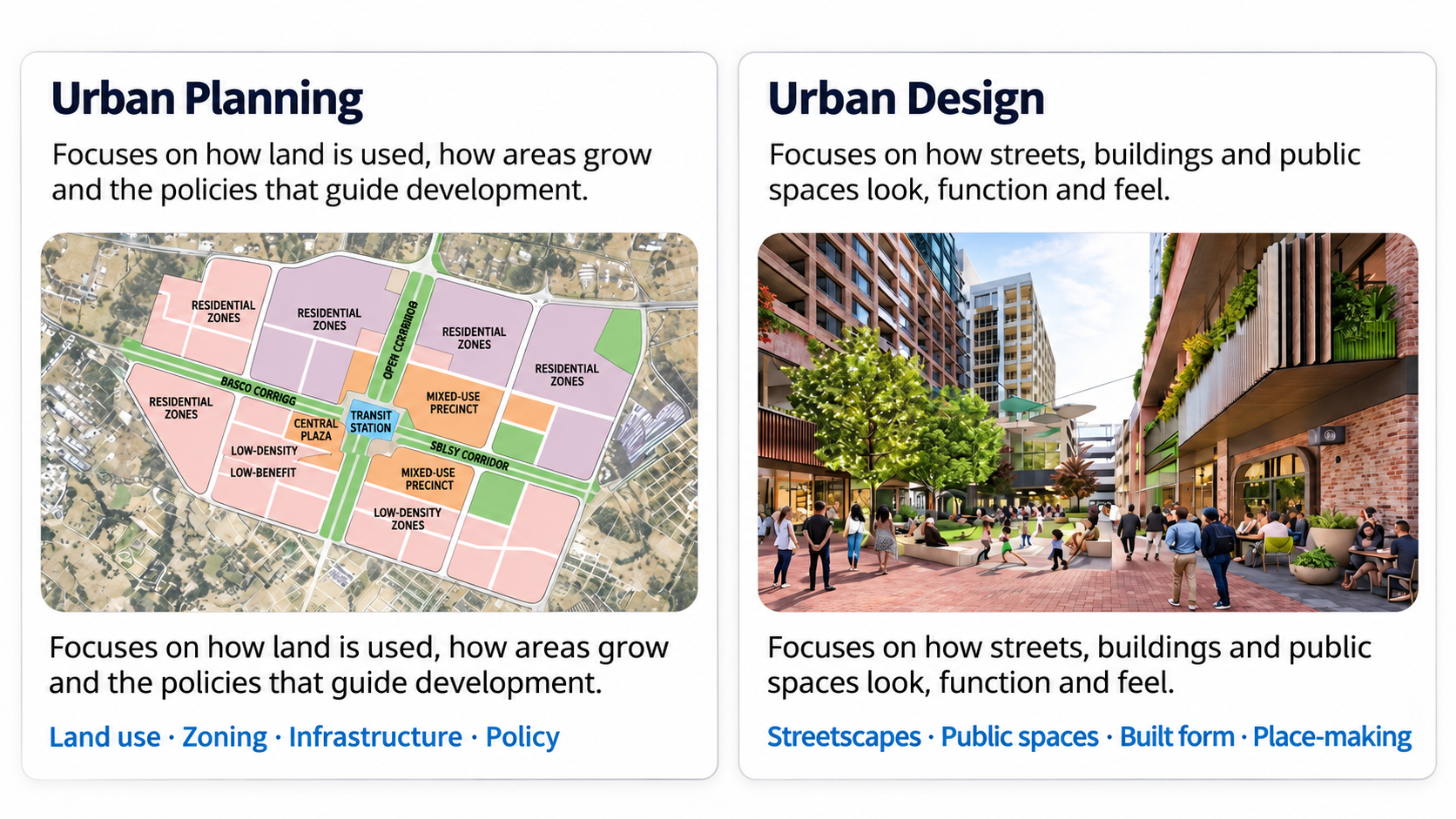
Urban planning focuses on policy, land use and the strategic direction of how an area develops, including zoning, infrastructure sequencing, growth management and regulatory frameworks. Urban design is more concerned with the physical quality and experience of places: how a street feels to walk down, how a public square functions, how buildings relate to each other.
The two disciplines overlap constantly. A planner might set the policy framework that enables a mixed-use precinct; an urban designer shapes what that precinct looks and feels like on the ground. Many practitioners move across both fields throughout their careers.
Where do urban planners work in Australia?
Australian planners work across local, state and federal government, private planning consultancies, property development companies, environmental consulting firms, infrastructure agencies and university research and teaching roles (planning.org.au). Some specialise in statutory work, processing and assessing development applications, while others focus on strategic, policy-driven planning that shapes an area over the next decade or more.
How to become an urban planner in Australia: a step-by-step career roadmap
Here's the short version: explore the profession, choose and complete a relevant qualification (ideally PIA-accredited), build practical skills, gain hands-on experience, pursue PIA membership and apply for planning roles that match your strengths. Each step, including where PIA membership fits in, is unpacked below.
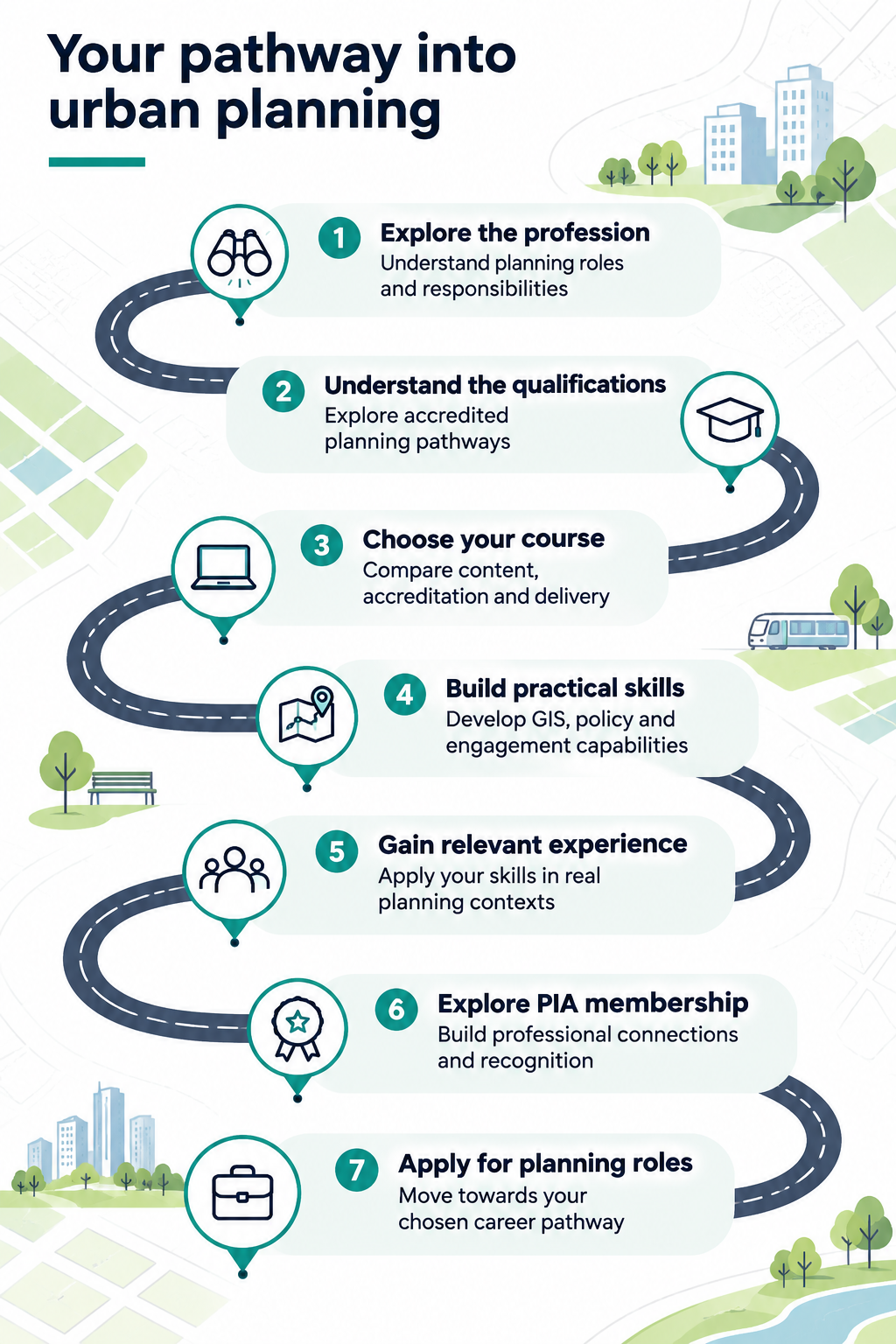
Step 1: Explore the urban planning profession in Australia
Before committing to study or a career shift, spend time understanding what planners actually do day to day. Read entry-level planning job advertisements on Seek or LinkedIn to see what Australian employers expect. Typical listings mention development assessment, policy writing, Geographic Information Systems (GIS), which are used to map and analyse spatial data, and stakeholder engagement. If you're coming from architecture, geography, environmental management, construction or government policy, map your existing skills against these requirements. You may already have more transferable experience than you realise.
Step 2: Understand what qualifications you need
Most people entering urban planning in Australia complete either an undergraduate planning degree or a postgraduate planning qualification. PIA "highly recommends completing an accredited planning course as the easiest means to get the skills you need to enter the planning profession" (planning.org.au).
If you already hold a degree in a related field, such as architecture, environmental science, geography, construction, engineering or property, a postgraduate planning qualification can build planning-specific knowledge without requiring you to start from scratch.
Step 3: Choose the right urban planning course for your situation
When comparing Australian urban planning courses, look for:
- PIA accreditation status — accreditation runs on a five-year rolling cycle, so always check the listed expiry date on PIA's accredited courses page before enrolling
- Course content — including planning law, spatial analysis, sustainable development and community engagement
- Delivery mode — especially if you're planning to study while working full-time
- Practical learning — such as projects based on real Australian planning scenarios
- Entry requirements — particularly if you're applying with a related but non-planning undergraduate degree
For career changers, postgraduate study is often the most direct pathway. It builds planning expertise on top of an existing qualification rather than requiring a full undergraduate degree.
Step 4: Build the practical skills urban planning employers want
Planning courses and early career roles typically develop capability across:
- GIS and spatial analysis — mapping and interpreting land-use data for Australian planning contexts
- Policy interpretation — reading and applying Australian planning schemes and legislation
- Research and strategic planning — forecasting population growth and infrastructure needs
- Community engagement — running consultations and interpreting public feedback
- Sustainability assessment — weighing environmental impact against development goals
- Report writing — producing clear, defensible planning recommendations
These aren't abstract skills. A planner assessing a development near a flood-prone creek draws on spatial analysis, environmental law knowledge and report writing simultaneously to produce a recommendation that holds up to scrutiny.
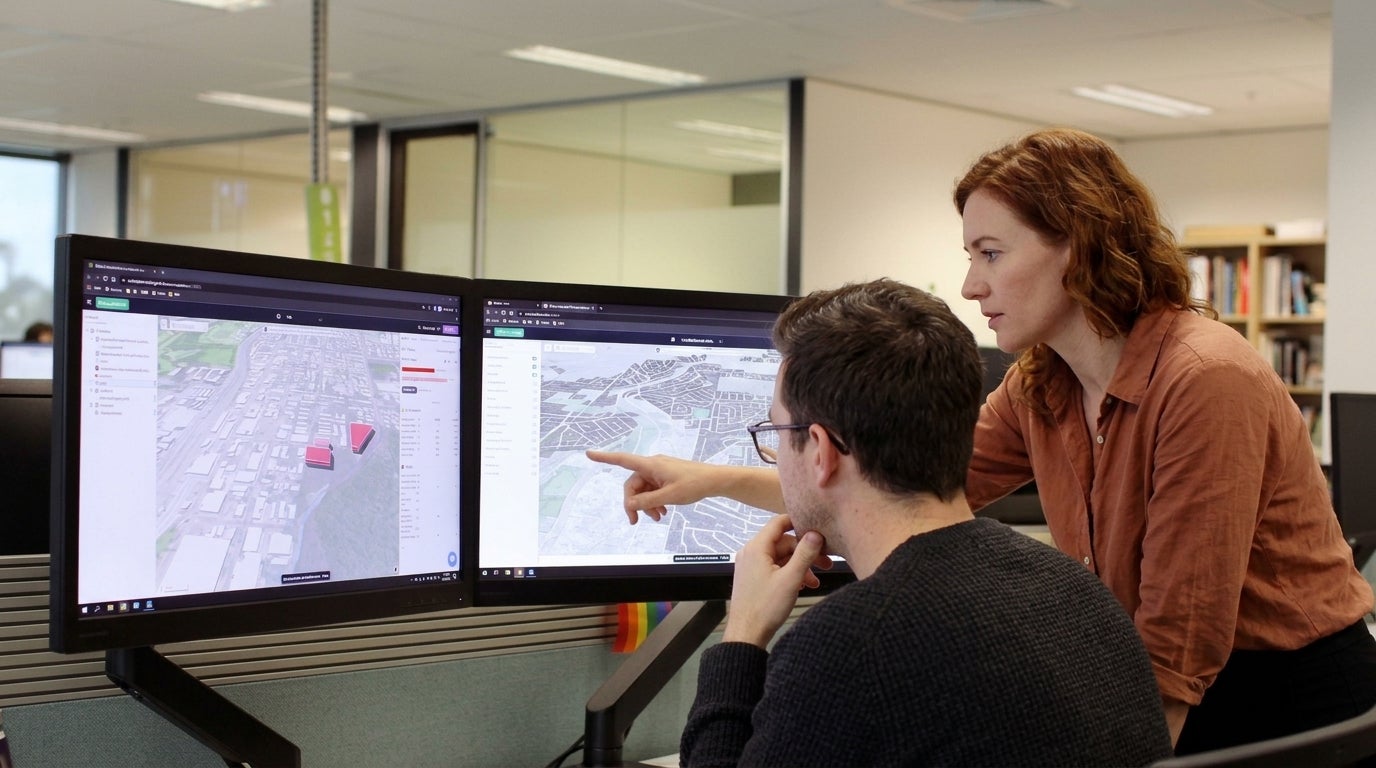
Step 5: Gain relevant experience in an Australian planning context
Experience can come from graduate roles in local or state government, development assessment positions, planning support roles or broader project and policy work. PIA's membership criteria recognise experience across strategic planning, development assessment, place-making and urban design, community engagement and GIS and spatial analytics, with each requiring a minimum of six months (planning.org.au).
If you're changing careers, don't discount the experience you've already built. Project management in construction, policy work in government or site analysis in architecture can all count toward the breadth of experience Australian planning employers and PIA look for.
Step 6: Pursue PIA membership and unlock professional career progression
PIA membership isn't a legal requirement, but it's one of the most meaningful steps you can take to progress your planning career in Australia. Here's how the membership pathway works.
PIA membership categories and how to reach them:
| PIA membership category | Who it's for | How to qualify |
| Student | Currently enrolled in a planning course | Enrol in a recognised planning program |
| Graduate | Recently completed a planning qualification | Hold an accredited or recognised planning qualification |
| Affiliate | Working in planning without full professional criteria | Relevant experience or non-accredited qualification |
| Full Member | Established planning professionals | Accredited course plus two years' experience (at least one post-qualification); or non-accredited planning course plus five years; or planning-related course plus nine years; or another qualification plus 12 years |
| Registered Planner | Senior professionals seeking formal recognition | Be an existing PIA Full Member with at least five years of professional planning experience and successfully complete a competency assessment |
What PIA membership gives you:
- Access to PIA's national professional network across Australia
- Continuing professional development (CPD) resources and industry events
- A widely recognised marker of professional credibility with Australian employers
- State chapter connections for local networking and advocacy
- Peer recognition through Registered Planner status at the senior level
PIA membership is designed to support you at every stage, from your first graduate role through to senior strategic planning positions across local government, state agencies and private practice.
Step 7: Apply for urban planning jobs in Australia
Look for entry-level titles such as Graduate Planner, Planning Officer or Assistant Development Assessment Officer. When applying, connect your experience to real Australian planning challenges rather than leaning solely on your qualification. Talk about a rezoning project you contributed to, a stakeholder consultation you supported or a GIS analysis you completed during study. Employers want evidence you can apply planning thinking to actual places, not just describe planning theory.
What qualifications do you need to become an urban planner in Australia?
| Pathway | Who it may suit | Key considerations |
| Undergraduate planning degree | People beginning their tertiary studies | Check PIA accreditation; seek practical placement opportunities |
| Postgraduate planning qualification | Graduates and career changers with a related or unrelated first degree | Entry criteria vary by university; confirm current accreditation status |
| Related degree plus relevant experience | Professionals from adjacent fields (architecture, environmental science, geography) | Employer expectations vary; additional planning-specific study may still help |
| Graduate Certificate pathway | Professionals testing postgraduate planning before committing to a full master's | Check whether credit transfers into a full master's degree |
Eligibility for any given course or role depends on that institution's or employer's specific requirements. Always confirm directly before applying.
PIA accreditation explained: what it means and why it matters for Australian planners
What does PIA course accreditation mean?
PIA accredits university planning courses to confirm they meet national education standards for the profession. This is accreditation of the course, not of an individual graduate. PIA's Accreditation Policy was updated in 2026, and universities accredited under the previous policy remain accredited but must transition to the new framework by their next reaccreditation date (planning.org.au). Accreditation typically runs on a five-year cycle, so it's worth checking a course's current expiry date before enrolling.
Do you need PIA membership to work as an urban planner in Australia?
No. Completing an accredited qualification, holding PIA membership and meeting any employer-specific or state-specific recognition requirements are three separate things. There's no general statutory registration requirement for planners across Australia, though some states have additional accreditation requirements for specific roles.
For example, NSW operates the Registered Environmental Assessment Practitioner (REAP) scheme, which recognises qualified professionals who can provide quality assurance declarations for environmental impact statements on state significant projects. PIA's Registered Planner Plus (Environmental Impact Assessment) accreditation is one recognised pathway under this scheme.
In South Australia, the Accredited Professionals Scheme requires accreditation for certain planning assessment roles, with eligible PIA membership recognised as a pathway towards accreditation.
Check your state's specific requirements if you're working towards a particular role.
How do you become a PIA member in Australia?
Eligibility depends on your qualifications and experience. Full Membership can be reached through several streams: completing a PIA-accredited course plus two years' experience (at least one post-qualification); a non-accredited planning course plus five years' experience; a planning-related course plus nine years' experience with a statement of claim and reference; or another qualification plus 12 years' experience with additional references (planning.org.au). Student and Graduate categories exist for those currently studying or recently graduated. Requirements and fees are reviewed periodically, so check PIA's current eligibility guidance before applying.
Can you become an urban planner in Australia without a planning degree?
Yes, this is one of the most common questions Australian career changers ask, and the honest answer is: often, but typically through further study rather than experience alone. PIA notes that people with backgrounds in geography, design, environmental science, politics, law, architecture or property development may be well suited to planning (planning.org.au). A postgraduate planning qualification is usually the clearest way to formalise that transition, adding planning-specific law, policy and spatial analysis knowledge to your existing expertise.
Example: Consider a mid-career environmental consultant who has spent years assessing development impacts on waterways and vegetation across New South Wales or Queensland. They already understand environmental legislation and stakeholder consultation. By completing a postgraduate planning qualification, they could add land-use policy, planning law and strategic planning skills, positioning themselves for roles such as Environmental Planner or Strategic Planner in government or consultancy, without starting from zero.
How long does it take to become an urban planner in Australia?
Timeframes depend on your starting point. An undergraduate planning degree typically takes three to four years of full-time study. A postgraduate qualification is usually shorter if you already hold a relevant degree, though exact duration depends on the course and your study load.
As an example, the UTS Online Master of Urban Planning comprises 15 subjects (90 credit points) and is delivered online. A pathway is available from the Graduate Certificate in Urban Planning and Design, subject to approved credit. The Graduate Certificate can be completed in as little as eight months, while the full master's takes around two and a half years studying part-time alongside full-time work. Securing your first planning role adds additional time for job searching, interviews and building an initial portfolio of practical experience, so it's worth treating study duration and employment timeline as two distinct milestones.
What skills make a successful urban planner in Australia?
Strong Australian planners combine technical and interpersonal capability:
- Spatial analysis and GIS — reading and producing maps that inform land-use decisions
- Planning and environmental law awareness — understanding the Australian legislative frameworks that shape what's possible
- Sustainability thinking — weighing environmental, social and economic outcomes together
- Negotiation — balancing competing interests among developers, communities and government
- Data interpretation — turning demographic and infrastructure data into actionable policy
- Stakeholder engagement — running consultations that genuinely inform decisions
- Strategic thinking — anticipating how a decision today shapes a place in 20 years
These capabilities show up constantly in practice. A planner negotiating a development application, for instance, draws on legal knowledge, data interpretation and negotiation skills simultaneously to reach an outcome that satisfies policy requirements and community concerns.
Urban planning career pathways and job roles in Australia
| Role | Typical responsibilities | Typical employers |
| Graduate Planner | Entry-level planning duties spanning policy and assessment | Local/state government, consultancies |
| Urban Planner | General planning duties across policy and development assessment | Local/state government, consultancies |
| Strategic Planner | Long-term land-use and growth planning | State and local government |
| Development Assessment Officer | Reviewing and approving development applications | Local government |
| Environmental Planner | Assessing environmental impact of proposed developments | Government, environmental consultancies |
| Urban Design Consultant | Shaping the physical quality of places and public spaces | Consultancies, government |
| Planning Policy Advisor | Researching and drafting planning policy | Government, peak bodies |
| Senior Planner | Leading projects, mentoring junior staff | Government, consultancies |
| Associate Director, Urban Planning | Strategic oversight and client or stakeholder leadership | Consultancies, property developers |
Indicative experience requirements vary by role and employer. For up-to-date salary expectations, check the Australian Government's Job Outlook and Labour Market Insights tools alongside current job advertisements.
Is urban planning a good career in Australia?
Urban planning offers opportunities to contribute to some of Australia's most pressing challenges, from housing affordability and infrastructure development to climate resilience and sustainable communities.
According to Jobs and Skills Australia, approximately 18,800 urban and regional planners were employed nationally as of February 2026. However, workforce demand varies across locations and specialisations.
The Planning Institute of Australia's 2025 national survey found that 64.16% of responding organisations reported difficulty filling planning roles, highlighting recruitment challenges across parts of the profession.
While national workforce assessments and employer experiences don't always align, the need for skilled planning professionals remains closely connected to Australia's changing housing, infrastructure and environmental priorities.
For those considering a career in urban planning, researching employment opportunities in your preferred state and specialisation can help you understand where your skills may be most valuable.
Start your urban planning career with UTS Online
If you're ready to formalise your move into urban planning, the UTS Online Master of Urban Planning is PIA-accredited and built for people balancing study with work. Delivered 100% online, it covers subjects including Urban Analytics, Spatial Analysis (GIS), Australian Planning and Environmental Law, Sustainable Urban Development and Development Negotiation and Community Engagement. These subjects map directly onto the real responsibilities planners carry, from assessing a development's environmental impact to negotiating outcomes with a community group.
For those wanting to test the waters first, the Graduate Certificate in Urban Planning and Design offers a shorter entry point, with a pathway into the full master's degree subject to approved credit.
Entry requirements and current fees should always be confirmed on the official UTS Online course page before applying, as these are subject to change.
Explore how the UTS Online Master of Urban Planning can help you build the capabilities to shape more sustainable, liveable Australian communities.
Frequently asked questions
It depends on your starting qualifications. An undergraduate degree typically takes three to four years; a postgraduate qualification is often shorter for those with a relevant prior degree. For example, the UTS Online Master of Urban Planning takes around two and a half years part-time, while the Graduate Certificate can be completed in eight months. Finding your first role adds additional time beyond study completion.
Often, yes, particularly if you hold a related degree such as architecture, environmental science or geography. PIA recognises these backgrounds as well suited to planning. A postgraduate planning qualification is usually the clearest way to build the planning-specific knowledge Australian employers expect, covering areas like planning law, spatial analysis and sustainable development.
There's no general statutory registration requirement for planners nationally. Some states run separate recognition schemes for specific functions, such as NSW's Registered Planner Plus (EIA) scheme and South Australia's Accredited Professionals Scheme, which recognises PIA membership as an equivalent pathway. Check your state's specific requirements before applying for certain roles.
Yes. PIA accreditation confirms a course meets national education standards for the profession, and PIA recommends an accredited course as the clearest pathway into planning. Accreditation applies to the course, not the individual student, and runs on a five-year cycle. Always check a course's current accreditation expiry date on PIA's website before enrolling.
PIA membership provides access to Australia's national planning professional network, continuing professional development resources, industry events and a widely recognised marker of professional credibility. At the senior level, the Registered Planner category offers formal peer recognition. Membership also connects you to state-based chapters across New South Wales, Victoria, Queensland and other states, which are valuable for local networking and advocacy.
After completing a PIA-accredited qualification, you can apply for Graduate membership. Full Membership typically requires two years of professional experience, with at least one year gained post-qualification. For those with non-accredited qualifications, longer experience requirements apply, ranging from five to 12 years depending on your background. PIA assesses membership applications against demonstrated planning experience across areas including strategic planning, development assessment and community engagement.
Architecture is one of several related backgrounds PIA identifies as well suited to planning. A postgraduate planning qualification can formalise the transition by adding planning law, policy and strategic planning knowledge to your existing design skills. Some roles, such as Urban Design Consultant or Strategic Planner, are particularly suited to professionals with both architectural and planning training.
The terms are largely used interchangeably in Australia. "Town planner" is more commonly used historically and in some state government contexts, while "urban planner" reflects the broader, modern scope of the profession. Both refer to professionals who manage land use, development assessment and place-based policy.
Yes. Several Australian universities, including UTS Online, offer PIA-accredited planning qualifications delivered fully online, designed for students balancing study with full-time work. The UTS Online Master of Urban Planning is delivered 100% online across six intakes per year with no on-campus requirements.
Urban planning offers opportunities across government, consulting and development, with demand varying by state, specialisation and employer. Jobs and Skills Australia reports approximately 18,800 urban and regional planners employed nationally, reflecting the profession's role in shaping Australia's growing cities and communities. While national shortage classifications and employer experiences don't always align, opportunities exist across areas such as housing, infrastructure, environmental planning and sustainable development.
Urban planning focuses on policy, land use and regulatory frameworks, such as zoning, development assessment and strategic planning. Urban design focuses on the physical quality and experience of places, including how streets, public spaces and built forms come together. Both are recognised by PIA and can lead to rewarding careers. Many practitioners hold qualifications in both areas or move between them across their careers.
PIA provides a structured membership pathway from Student through to Registered Planner. As a student, you can join at the student rate while completing your qualification. After graduating, you move to Graduate membership. With two or more years of professional experience, you can apply for Full Membership, the core professional category recognised by Australian employers. Senior planners with demonstrated leadership and practice experience can then apply for the Registered Planner designation, which is PIA's highest individual recognition.